

Subjective memory concerns (SMC) — sometimes also called subjective cognitive decline — refer to the experience of noticing changes in memory or thinking before measurable impairment appears on standard cognitive testing.

As we age, changes in our thinking abilities can be subtle.

Mettre en lumière le programme Synapse : des stratégies concrètes pour l’attention, l’organisation et la mémoire
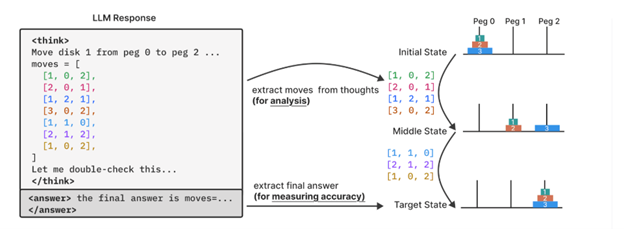
What is thinking, anyway?
Does artificial intelligence think?
And what even is intelligence — natural or artificial?

Our brains shape every aspect of our daily lives—how we think, remember, plan, focus, and adapt. When cognitive abilities are impacted by developmental conditions, injury, illness, or simply the demands of everyday life, it can affect not only performance but also confidence, independence, and well-being.

Dementia is one of the most pressing public health challenges of our time, affecting millions of individuals worldwide.

La motivation et les symptômes apparentés au TDAH : Comprendre les enjeux avec la théorie de l’auto-détermination

La pratique d’un sport de la maternelle à la quatrième année a un effet positif sur tous les indicateurs de réussite scolaire jusqu’à la fin du secondaire, relate Linda Pagani, de l’étude Pagani et al 2024.
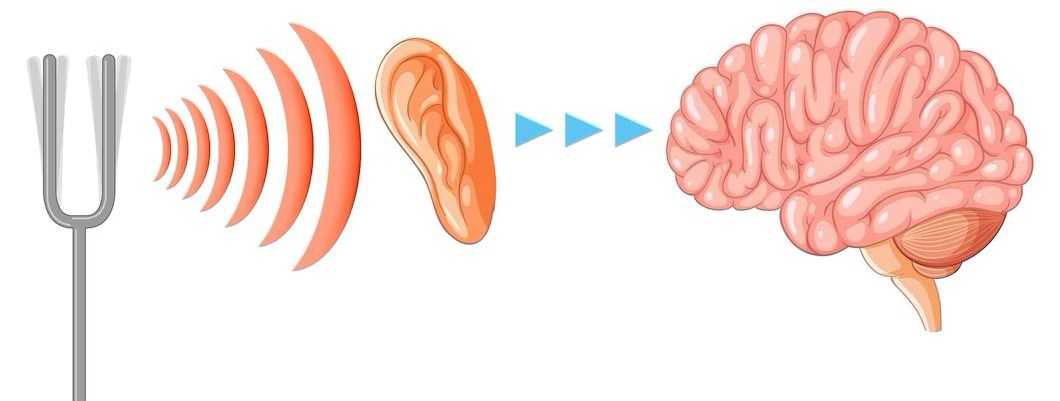
Do you or someone you know have hearing loss? Age-related hearing loss (also termed presbycusis) occurs as the result of a natural deterioration of the inner ear and nerves due to advancing age.

A variety of strategies have proven highly effective in helping people improve their memory and/or learn new information and skills. Some of them are detailed below.